
The calorie density of a dish depends less on the number of ingredients than on their ratio of water, fiber, and fat. Replacing a classic béchamel with a fromage blanc base and topping it with Parmesan makes a zucchini gratin noticeably lighter without changing its texture in the mouth.
Focusing on calorie density rather than portion size makes it possible to keep plates looking generous while reducing overall energy intake.
Calorie density and satiety: the technical key to lighter recipes
Satiety relies on three complementary mechanisms: stomach distension (volume), soluble fiber content (which slows gastric emptying), and protein intake (which triggers hormonal satiety signals). Weight-loss recipes that work over the long term activate at least two of these three mechanisms.
In practice, this means a bowl of red lentil soup with cumin, served with a slice of whole-grain bread, keeps you full longer than a green salad dressed with olive oil. The volume of liquid combined with the legumes’ fiber and protein content creates a natural appetite-suppressing effect that simple calorie restriction does not.
Anses also points out that very restrictive diets pose nutritional risks and that weight loss should take individual circumstances into account. Balanced, tasty meals suited to your routine are a better choice than a drastic calorie deficit that eventually leads to compulsive eating.
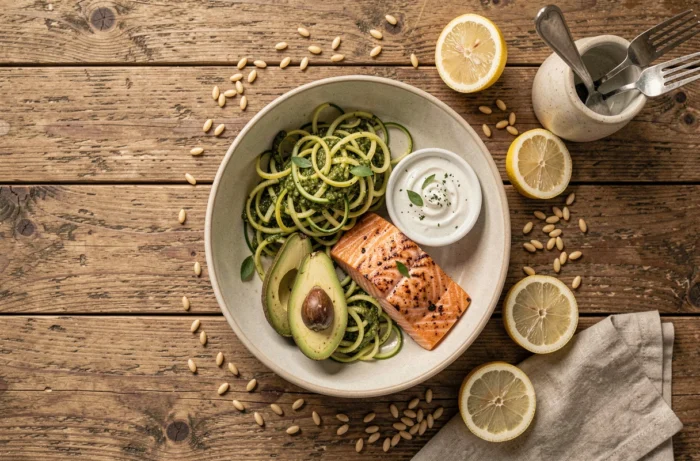
Current nutritional guidelines emphasize eating a varied diet rather than simply cutting calories. In other words, a successful weight-loss meal doesn’t take things away; it makes substitutions: crème fraîche for Greek yogurt, white sugar for unsweetened applesauce, and white pasta for legume-based pasta.
We find that most attempts to rebalance eating habits fail because they take a subtractive approach (cutting out fat, skipping dessert) instead of an additive one (adding vegetables, boosting protein). The difference in results over several months is significant.
Tight budget and seasonal produce: putting together affordable weight-loss meals
Access to fresh fruit and vegetables is a budget issue that is rarely addressed in weight-loss content. Seasonal vegetables bought at markets or supermarkets cost considerably less than imported out-of-season alternatives. But the most overlooked solution is the frozen food aisle.
Plain frozen vegetables (green beans, spinach, broccoli, peas) are harvested and frozen when ripe. Their nutritional value is comparable to, and sometimes higher than, that of fresh vegetables that have spent several days in cold storage. They require no preparation, reduce food waste, and make it easy to vary meals without blowing your grocery budget.
Commande Gourmande’s delicious, lighter cooking is a good example of this approach, with dishes that rely on everyday ingredients and simple techniques to lighten up everyday recipes.
- Legumes (lentils, chickpeas, kidney beans) are among the cheapest and most filling sources of plant-based protein, with a high fiber content per serving.
- Canned tomatoes, corn, or beans make it possible to put together a complete meal in under twenty minutes, with no major nutritional loss compared with fresh produce.
- Eggs remain the most affordable animal protein: a vegetable omelet made with two eggs is a light, quick, and filling dinner at a very low cost.
An evening weight-loss meal can be as simple as a pan of frozen vegetables, a fried egg, and a slice of whole-grain bread. Low cost, ten minutes to prepare, and nutritionally balanced without feeling deprived.
Quick, delicious recipes: dinner in under twenty minutes
Dinner is when most dietary slip-ups happen. Fatigue, lack of time, and a desire for comfort all make it more likely that a ready-made meal or frozen pizza will win out. The solution is to have a repertoire of five or six quick recipes you know how to make, with enough flavor to avoid feeling deprived.

White fish and vegetable parcels take five minutes to prepare and twelve minutes to cook. Use cod or pollock, sliced zucchini, a few cherry tomatoes, a squeeze of lemon, and fresh herbs. Parchment paper traps the steam and intensifies the flavors without adding fat.
Red lentil pasta, cooked in eight minutes and served with homemade tomato sauce (canned chopped tomatoes, garlic, basil, and a drizzle of olive oil), makes a complete dish rich in plant-based protein. It has a robust flavor and satisfying texture, while keeping the calorie count moderate.
For dessert, a square of dark chocolate with a high cocoa content alongside unsweetened applesauce satisfies a sweet craving without going overboard. The key is not to cut out chocolate, but to choose one with a higher cocoa content, whose intense flavor naturally encourages you to eat less.
Nutri-Score: a useful but limited guide for weight-loss choices
Nutri-Score helps you compare packaged products within the same category. However, it is an optional guide, not a weight-loss label. Its recent revision also changed the ratings of some products even though their recipes had not changed, confirming that it reflects a ranking algorithm, not an absolute nutritional truth.
Nutri-Score has no direct relevance to homemade recipes. It does not rate a dish prepared from whole ingredients. Its usefulness is limited to grocery shopping, when choosing between two commercial tomato sauces or two boxes of cereal.
- Comparing the Nutri-Score of two similar products (two plain yogurts, two types of sliced bread) can help you make a quick choice in the store.
- Using Nutri-Score to assess your overall diet or the quality of a homemade recipe is a methodological mistake.
- AOP or IGP products may have an average Nutri-Score, because it measures nutritional quality, not craftsmanship or taste.
When looking to lighten your meals, it’s better to check the ingredient list than the Nutri-Score. The shorter the list, the closer the product is to a whole food, and the easier it is to include in a balanced diet.
Lightening up your meals without feeling deprived doesn’t require a drastic diet or chef-level skills. Seasonal or frozen vegetables, affordable sources of protein, simple cooking methods, and a small amount of carefully chosen fat are all you need to create delicious plates. Real change comes from smart substitutions and consistency, not deprivation.