
Every year, travelers find themselves unable to board or cross a border because of a missing document, an expired passport or a visa they failed to arrange in advance. Requirements vary depending on the destination, length of stay and traveler’s personal circumstances. Before packing a suitcase, it’s worth starting several procedures weeks—and sometimes months—ahead of time.
Controlled medications when traveling: an often-overlooked requirement
Travel preparation guides rarely mention prescription medications that are subject to regulations. For narcotic or psychotropic medications, a prescription alone is not always enough to cross a border, even within the Schengen Area.
ARS Auvergne-Rhône-Alpes specifies that the transport authorization is issued to a named individual, and is subject to limits on the quantity and duration covered. For a stay that exceeds the authorized period, arrangements to continue treatment must be made with a healthcare professional before departure.
Requirements vary depending on the medication and destination country. Checking the rules that apply in the country you’re visiting is the first step, well before trying to fit your medication boxes into a carry-on bag. Planning ahead for travel-related administrative procedures for medical treatment can help avoid complications at customs.
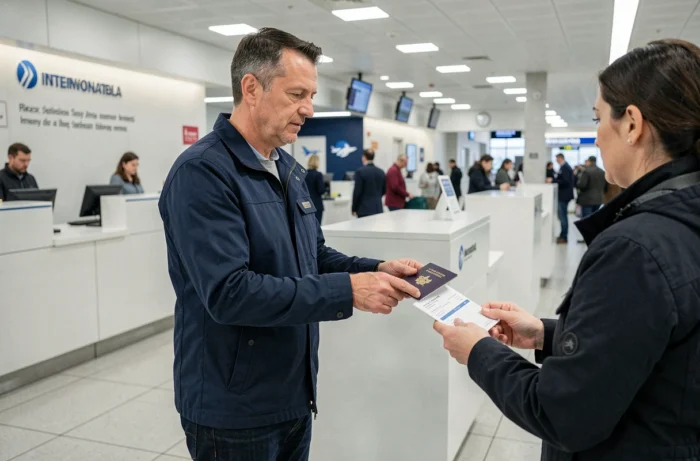
Passports, visas and ID cards: actual processing times by destination
For travel within the European Union, a valid national ID card is sufficient in most cases. Outside Europe, a passport is generally required, and many countries require it to remain valid for several months beyond the planned return date.
Visas and electronic travel authorizations
Some destinations require a traditional visa issued by a consulate, with processing times that can stretch to several weeks. Other countries use an e-visa or electronic travel authorization.
Two European systems are expected to apply to nationals of non-EU countries: ETIAS (travel authorization) and EES (Entry/Exit System). ETIAS will apply to visa-exempt travelers wishing to enter the Schengen Area. EES will record entries and exits at the EU’s external borders. Launch dates have been postponed several times, making it difficult to confirm a precise timeline at this stage.
For French travelers, things are simpler within the EU, but trips to non-EU countries require checking the country-specific guidance from the Ministry for Europe and Foreign Affairs, which lists required documents and any restrictions.
Travel insurance and health coverage abroad: what the EHIC really covers
The European Health Insurance Card (EHIC) provides access to medically necessary care during a temporary stay in another EU country. It can now be presented in digital form, making it easier to use.
The EHIC is not a substitute for travel insurance. Coverage follows the rules of the country you’re visiting, not those of the French healthcare system. Care covered at 100% in France may only be partially covered in another member state. Each family member must have their own card, including children.
- Within the EU, the EHIC covers necessary care, but not repatriation or cancellation costs.
- Outside the EU, there is no automatic coverage: private travel insurance is the only safety net.
- Hospitalization costs in some countries (North America, Southeast Asia) can be extremely high without suitable coverage.

Customs requirements and declaring currency at the border
Customs is often the most overlooked part of travel preparation. French Customs reminds travelers that amounts exceeding 10,000 euros must be declared when entering or leaving the country, whether or not the traveler owns the money. This requirement applies to banknotes, coins, checks and investment gold.
The declaration can be submitted in advance through the DALIA online service or made when passing through customs.
Goods brought back from a trip
Products brought back from abroad are subject to duty-free allowances. Duties and taxes apply above these limits. The DeclareDouane online service lets travelers regularize their situation before arrival.
- Tobacco and alcohol are subject to maximum quantity limits, which differ depending on whether the traveler is arriving from an EU country or a non-EU country.
- Some products are completely prohibited from being imported (counterfeit goods and certain animal or plant products).
- Pets are subject to specific health requirements, and veterinary documents must be prepared before departure.
Driving licenses and payment methods: two commonly overlooked details
A French driving license is recognized in the EU. Outside Europe, an international driving permit may be required, depending on the destination. Applications are made online, and processing times vary.
When it comes to banking, notifying your bank about travel abroad is a useful precaution to avoid having your card blocked. Payment and cash withdrawal fees outside the eurozone vary by provider. Comparing options before departure (a low-fee card, buying foreign currency in advance) can help avoid extra costs that quickly add up over a stay of several weeks.
Most of these requirements have one thing in common: they take time. A passport, visa, medication transport authorization, EHIC or international driving permit—each document has its own processing time. Starting all applications at least six weeks before departure is the most realistic way to allow for administrative delays without jeopardizing your trip.